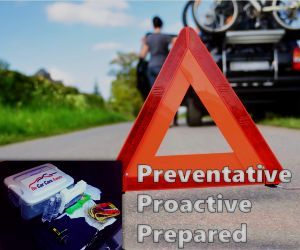
 In recognition of National Preparedness Month in September, the non-profit Car Care Council reminds motorists of the importance of the three Ps of auto care to make sure their vehicle is ready for the unexpected.
• Preventative – Reduce the chance of unplanned, costly car trouble by following a vehicle service schedule and performing routine maintenance. The Car Care Council’s free personalized schedule and email reminder service is a simple way to help you take better care of your vehicle.
• Proactive: If you find your vehicle needs repairs, be sure to address them in a timely manner to avoid more extensive work down the road. Before traveling longer distances, perform a pre-trip inspection before your journey begins so you have an opportunity to have any repairs made by a trusted technician before hitting the road.
• Prepared: Keep an emergency kit in your vehicle in case an unexpected situation arises. The kit should include jumper cables, a road atlas, first-aid kit, flashlight with extra batteries, water, non-perishable food and blankets. Be sure your cell phone is fully charged and order a free copy of the Car Care Council’s Car Care Guide for your glove box.

 (WASHINGTON, August 31, 2105)- Pump prices continue to drop and most drivers should pay the lowest gas prices for Labor Day weekend since 2004. The national average price for regular unleaded gasoline has fallen for 14 consecutive days for a total of 20 cents per gallon. Today’s average price of $2.47 per gallon marks a savings of 12 cents per gallon compared to one week ago and 18 cents per gallon versus one month ago. Drivers nationwide continue to benefit from the relatively low price of crude oil with today’s average about 96 cents per gallon less than a year ago.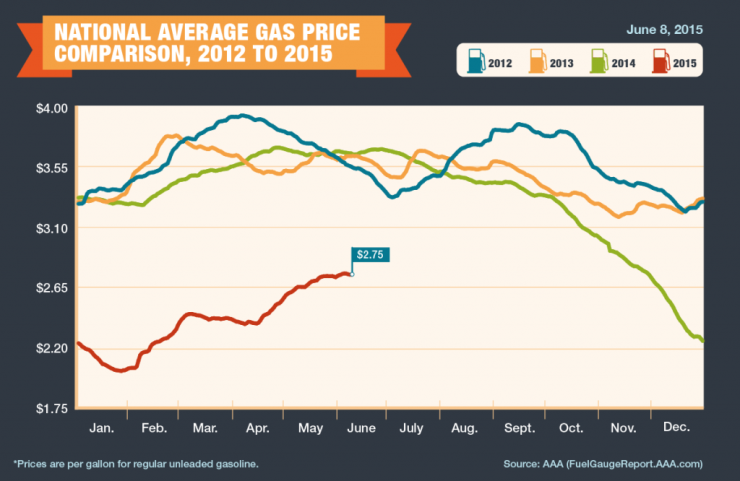
 Sitting in traffic when temperatures soar without a properly functioning air conditioning (A/C) system is the last place most drivers want to be. To help avoid this uncomfortable situation, the non-profit Car Care Council recommends that motorists be car care aware and have their A/C system checked annually to make sure it is working at peak performance when they need it most.
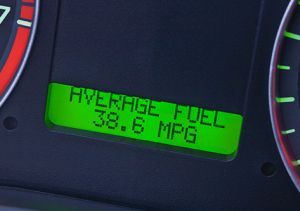 ORLANDO, Fla. (June 17, 2015) – A new AAA survey reveals that one-in-three Americans do not believe the U.S. Environmental Protection Agency’s (EPA) new vehicle window sticker accurately reflects the fuel economy they achieve when driving. To assess the accuracy of this perception, AAA performed an analysis of data collected on the EPA’s FuelEconomy.gov website, along with laboratory and real-world vehicle testing, and found that driver behaviors and environmental conditions, rather than vehicle shortcomings, are likely responsible for most fuel economy variances.