NHTSA 2015: Advacing Safety on America's Roads
Today, Americans are safer on our roads than ever before. Thanks to decades of effort, our vehicles better protect us in crashes and increasingly help us avoid crashes. We’ve seen dramatic reductions in drunk driving, increases in seat belt use, and are better addressing the safety of cyclists and pedestrians. We’re holding companies accountable when they don’t live up to their obligations to report safety defects, and our agency accountable for rooting out unsafe vehicles. We made significant progress in 2015. In 2016, we will double our efforts to keep Americans safe on the road, whether they drive, ride or walk.
–NHTSA Administrator Mark R. Rosekind, Ph.D.
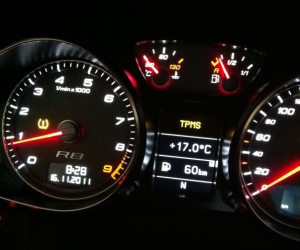 Newer model vehicles are equipped with a tire pressure monitoring system (TPMS) to warn drivers that at least one of their tires is underinflated. The dashboard light looks like an exclamation point inside of a horseshoe and, if illuminated, should be addressed immediately, says the non-profit Car Care Council.
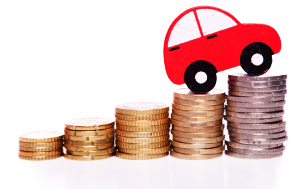 (WASHINGTON, March 7, 2016) The national average price jumped six cents on the week, the largest one week increase since the beginning of the year. Today’s average price is $1.81 per gallon, and the national average is likely to continue to move higher due to spring turnaround activity and reductions in supply in select regional markets. Drivers are paying six cents more per gallon to refuel their vehicles versus one month ago; however, significant yearly discounts remain and pump prices are down 65 cents on the year.
 (WASHINGTON, March 14, 2016) Gas prices have jumped by 12 cents per gallon this week, which is the largest weekly increase since early March 2015. Prices increased by double digits due to a decline in gasoline supplies, relatively strong demand and continued refinery maintenance. The national average has moved higher for 18 of the past 20 days for a total of 23 cents per gallon, and today’s price of $1.94 per gallon is the highest average in two months. Relatively low oil costs continue to provide drivers with year-over-year savings at the pump, and consumers are saving 50 cents per gallon compared to this same date last year.
 BEDFORD HILLS, N.Y., March 16, 2016 /PRNewswire/ -- The Finest Automobile Auctions, a new auction house focused on delivering the finest experience for collector car enthusiasts, and Proxibid, the world's most trusted way to connect buyers and sellers of highly valued items, have partnered to bring together some of the most sought-after collector cars available at auction with the most sophisticated online bidding solution to ensure collectors from across the globe can bid and buy with confidence. The Finest Automobile Auctions will make its live auction debut at The Elegance at Hershey, one of the most important Concours events of the season, on Saturday, June 11 at 1:00 pm Eastern. Live online bidding for this auction will be available via Proxibid.
 MCLEAN, Va., March 14, 2016 /PRNewswire/ -- Wholesale used vehicle prices generally rise in February as dealers prepare for increased spring consumer demand. In fact, up to this year, prices had moved higher in February for twenty years straight. The streak came to an end last month, however, as wholesale prices of vehicles up to eight years in age fell by nearly 1 percent from January.
 As winter winds down and the weather gets warmer, motorists will see more potholes on the roadways and avoiding them can be a real challenge. If you hit a pothole, the non-profit Car Care Council recommends watching for three warning signs to determine if your vehicle has been damaged.